
Latest Articles
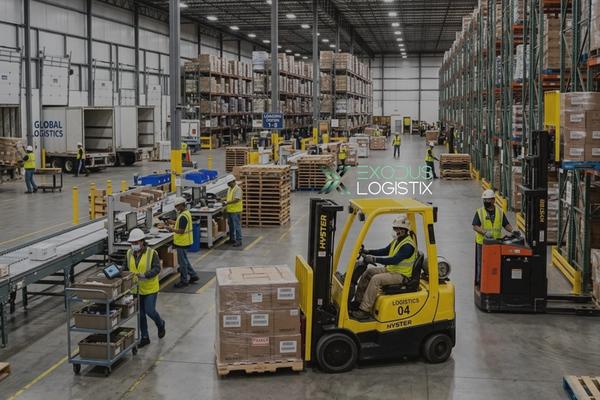
Freight Routing & Dock Scheduling: Coordinating Arrivals to Prevent Delays
Freight routing and dock scheduling coordination reduces delays, improves on-time performance, and keeps warehouse operations running efficiently.
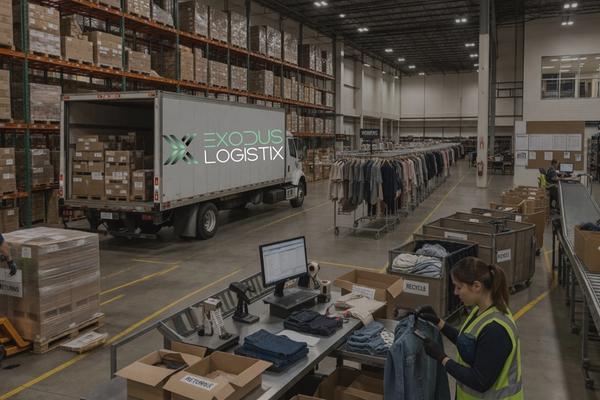
Reverse Logistics for Retail: Balancing Inventory Across Stores and Distribution Centers
Reverse logistics for retail helps rebalance inventory across stores and distribution centers, improving availability and overall supply chain efficiency.
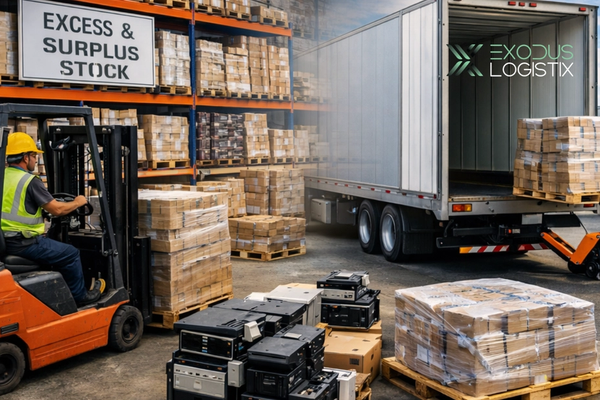
Asset Recovery & Liquidation Freight: Preventing Warehouse Congestion and Unlocking Capacity
Asset recovery and liquidation freight help remove excess inventory, prevent warehouse congestion, and maintain efficient supply chain flow.
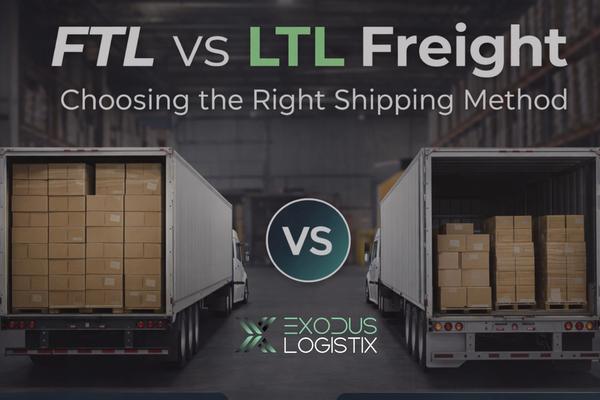
FTL-vs-LTL -freight
FTL vs LTL freight helps businesses choose the right shipping method based on cost, speed, and handling to improve supply chain efficiency.
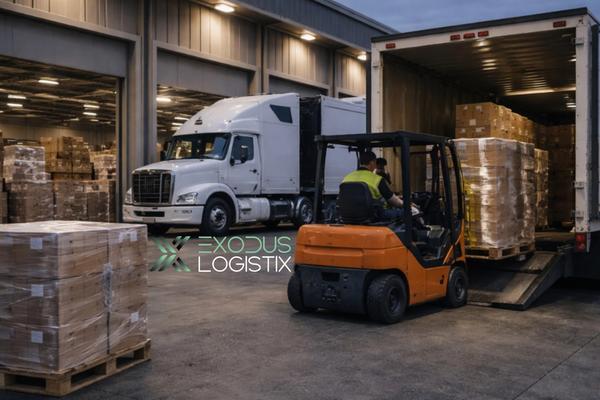
Reverse Logistics in Retail: Managing Returns for More Efficient Supply Chains
Reverse logistics in retail helps manage returns, improve inventory flow, and reduce disruptions across supply chains through structured transportation.
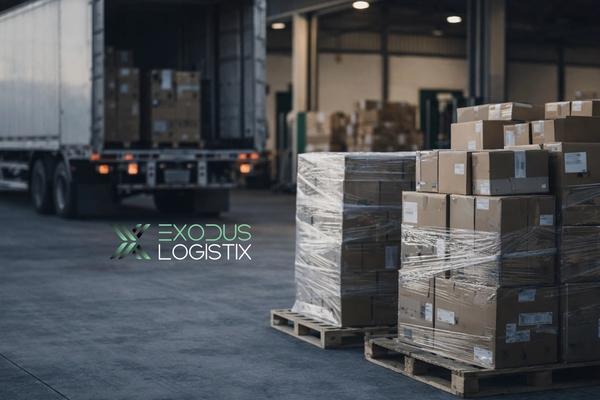
Freight Consolidation: Reducing Costs Through Smarter Load Planning
Freight consolidation helps reduce transportation costs, improve load efficiency, and streamline shipment planning across supply chains.
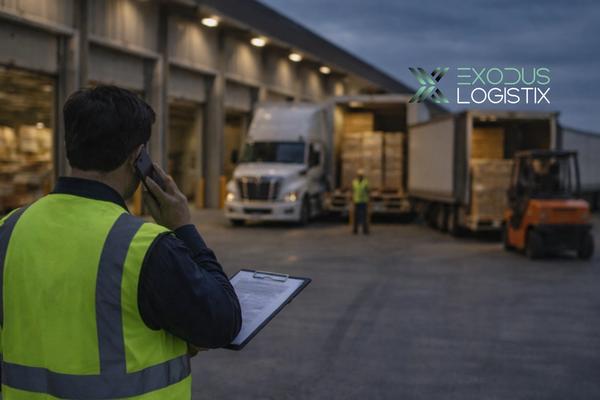
Smooth Execution in Logistics: Why Alignment Before Dispatch Matters
Smooth execution starts before dispatch. Aligning pickup windows, carrier timing, and delivery coordination reduces disruptions across supply chains.
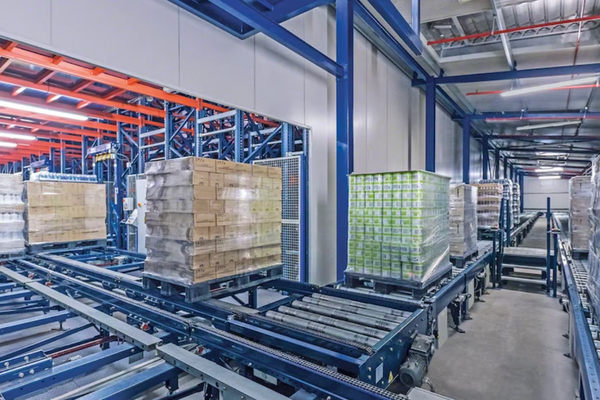
Reverse Logistics in Retail: Turning Returns into Supply Chain Efficiency
Reverse logistics helps retailers manage returns, rebalance inventory, and keep products moving efficiently across retail supply chains.
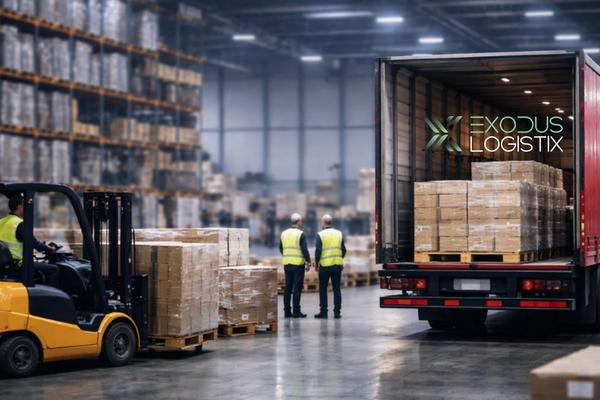
Asset Recovery & Liquidation Freight: Managing Excess Inventory in Supply Chains
Understanding the difference between FTL and LTL freight helps logistics teams choose the right shipping method, improving delivery reliability, cost control, and freight efficiency.